
There’s an old idea that still has a strong grip on many leaders: if you can’t measure it, it doesn’t matter.
Or perhaps more accurately, if you can’t put a number around it, how can you justify investing time, money or attention in it?
I call BS.
In Ben Crowe’s excellent book Where the Light Gets In, he shares a quote attributed to sociologist William Bruce Cameron: “Not everything that counts can be counted, and not everything that can be counted counts.”
Some things are easy to measure. Money. Speed. Weight. Time. Sales. Output. There are clear numbers we can attach to them and track over time. They fit nicely on a dashboard.
Other things can be measured, but not nearly as neatly. Trust. Culture. Fairness. Kindness. Communication. Creativity. Good leadership.
We can gather data about them. We can survey people, observe behaviour, track indicators and look for evidence of change. But they’re subjective, nuanced and human.
There’s no universally agreed scale that tells you your team has achieved precisely 83 per cent trust or your manager is delivering 7.4 units of good leadership.
And while we can look for evidence of impact, it can be difficult to put a precise number around that impact or draw a straight line between cause and effect.
That doesn’t make it less important.
The problem isn’t measurement. I’m a big believer in using good data when we have it. The problem is when we start treating easy measurement as the test of importance, because that can get us into trouble.
We’ve seen the consequences of overlooking complexity in medical research. For decades, women were underrepresented, with much of our understanding of health and the human body based on research involving males.
As exercise physiologist and researcher Dr Stacy Sims puts it: “Women are not small men.”
Female physiology brings additional variables and complexity to research. But harder to study doesn’t mean less important. We’re talking about half the world’s population here!
And while the circumstances are obviously very different, I think there’s a lesson here for workplaces too.
Human beings are messy. Trust is messy. Culture is messy. Communication, relationships and leadership are messy.
We should measure what we can. Use data when it’s useful. Look for evidence. Track progress.
But we shouldn’t confuse what’s easiest to measure with what matters most.
This is even more important as AI takes on more of the technical work and our human skills become increasingly valuable.
Communication. Emotional intelligence. Self-leadership. Building trust. Navigating conflict. Giving feedback. Listening. Influencing. Leading people through change. There’s no finish line with any of them. You keep learning, adapting, adjusting, stuffing it up, reflecting and trying again.
So perhaps the better question is: What are you undervaluing in your workplace because it’s difficult to put a neat number around? Because some of the things that are hardest to measure are the things that count the most.
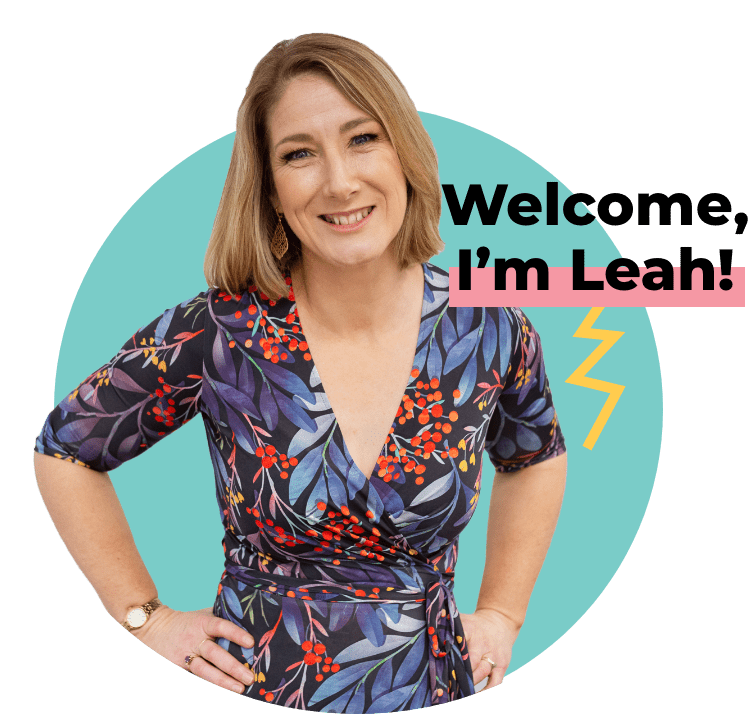
Leah Mether is a communication and human skills expert obsessed with making the people part of leadership and work life easier.
With more than 15 years’ experience working with thousands of clients, and an two acclaimed books to her name, Leah knows what it takes to communicate under pressure. Like you, she knows the challenge of conflict, personality clashes, and difficult conversations.
Leah is renowned for her practical, engaging, straight-shooting style. Utilising her Five Cs® model of communication, she helps leaders and teams shift from knowing to doing, and radically improve their effectiveness.


