
Earlier this year, my uncle had a major heart attack while travelling with my aunty in outback Queensland.
Thankfully, the ambulance arrived quickly and his life was saved.
But afterwards, my aunty, a retired nurse, discovered something that left her gobsmacked.
The caravan park they were staying at had a defibrillator. Great, right?
Except it was locked inside the office, which closed at 5pm.
My uncle's heart attack happened just after 8pm.
The next day, my aunty spoke to the caravan park owners and suggested they move the defibrillator somewhere accessible 24/7. After all, there's not much point having life-saving equipment if people can't access it in an emergency.
Their response?
"But someone might take it."
And there it was. The fear of what might go wrong outweighing the enormous good that could come from trusting people to do the right thing.
Could someone steal the defibrillator? Of course.
But is that possibility worth denying access to equipment that could save someone's life? I don't think so.
It got me thinking about trust in leadership.
The quickest way to build trust is to give it first.
Yet so many leaders get this backwards.
They tell their people, "You've got to earn my trust."
Now, I understand the thinking behind this. Trust involves vulnerability. Giving it means accepting the possibility that someone might let you down.
But think about the message you're sending when you tell someone they have to earn your trust.
Essentially, you're saying: "I don't trust you. My starting position is distrust, and it's your job to prove me wrong."
What a slow, hard way to build a relationship.
And ironically, by withholding trust because you're worried someone might break it, you make it harder for trust to develop in the first place.
Trust breeds trust. Distrust breeds distrust.
Of course, I'm not suggesting blind trust or abandoning accountability. Trusting someone doesn't mean giving them free rein without expectations, boundaries or support.
It means starting from a position of believing people are well-intentioned, rather than assuming the worst.
Give people responsibility. Set them up for success with clear expectations, the right skills and support, then give them room to make decisions. Resist the urge to micromanage. Show them through your actions that you believe in them.
And if someone breaks your trust? Address it. Have the conversation. Adjust your approach based on their behaviour.
But don't make everyone else pay for what someone might do.
Yes, giving trust first takes courage. Yes, it can feel scary.
But leadership requires vulnerability, and sometimes the biggest risk isn't trusting people too much.
It's allowing our fear of what might go wrong to stop us from creating what could go right.
So here's my challenge to you this week: Where are you withholding trust because of what might happen?
And what could change if you chose to give it first?
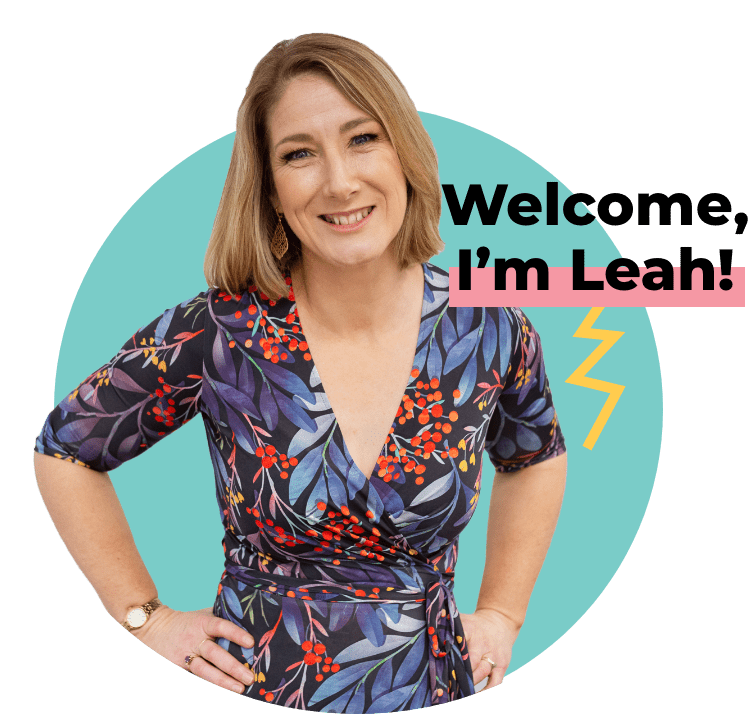
Leah Mether is a communication and human skills expert obsessed with making the people part of leadership and work life easier.
With more than 15 years’ experience working with thousands of clients, and an two acclaimed books to her name, Leah knows what it takes to communicate under pressure. Like you, she knows the challenge of conflict, personality clashes, and difficult conversations.
Leah is renowned for her practical, engaging, straight-shooting style. Utilising her Five Cs® model of communication, she helps leaders and teams shift from knowing to doing, and radically improve their effectiveness.


